From the Corbin Sunday Times, Corbin, Kentucky, 7 May 1961
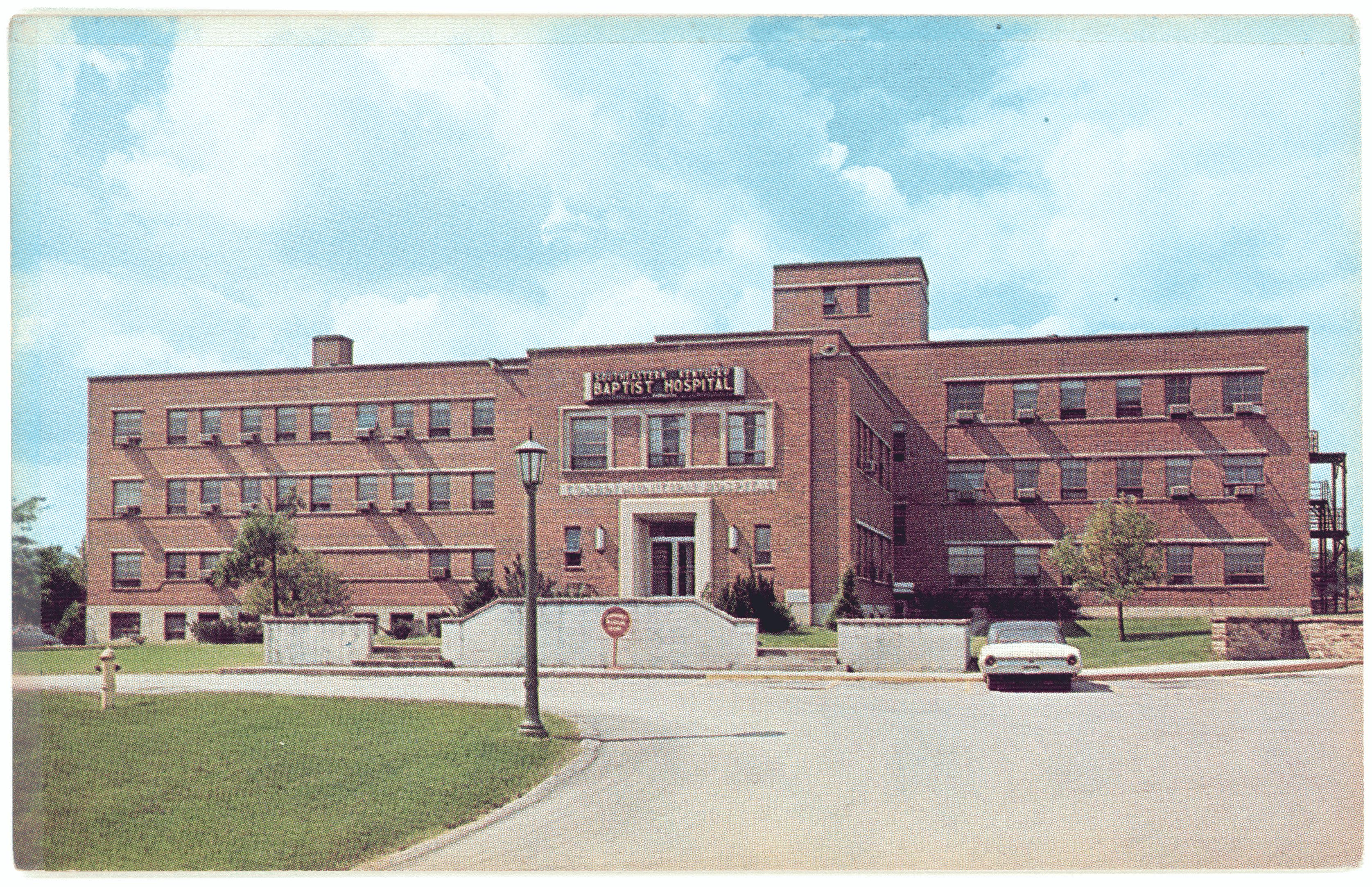
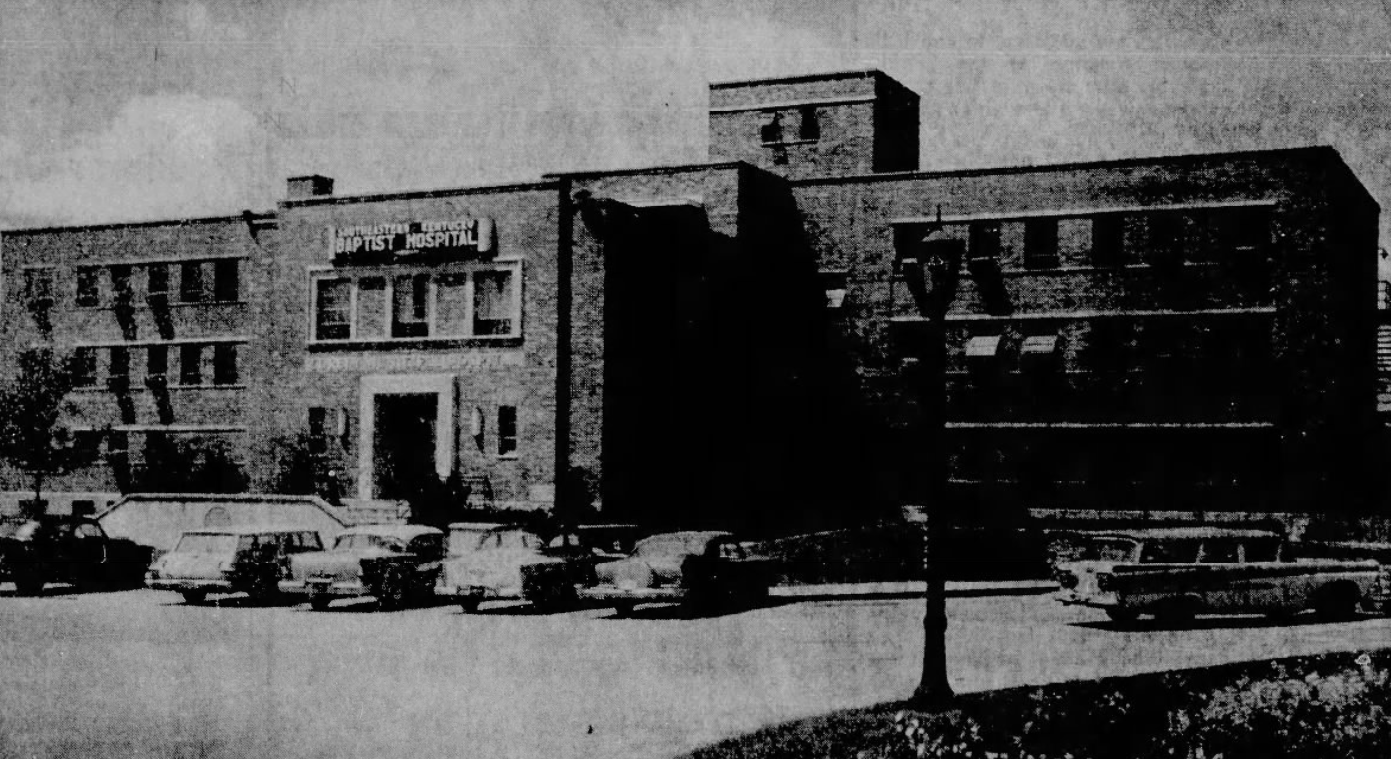
Located in Corbin, Kentucky, the Southeastern Kentucky Hospital was put into operation August 25, 1952. In 1950, the City of Corbin voted to issue a bond worth $175,000 in order to meet one-third of the costs to open the hospital. The remaining amount would be matched by federal funding from the 1940’s Hill-Burton Act. Previously, in Corbin, care was sought out at the Smith Hospital. Upon completion of the hospital in 1952, the 55-bed facility was equipped with modern technology to address the areas medical needs. The cost to build the hospital was $525,000, and less than a decade later it would’ve cost over a million dollars to open a comparable facility. In the early 1960s, the hospital expanded to include an additional 43 beds nearly doubling its initial capacity. Baptist Hospital System based in Louisville took over operations with an initial 20-year lease from the City of Corbin.
The hospital initially had beds for 55 adult patients and 20 babies. The hospital also contained an air lock system, one of only a handful in the Commonwealth at the time. Hospital Superintendent DeWitt Brown was noted as saying, “this is the device used to aid newborn babies by giving them the often necessary push on the road to life.” It was donated by the Corbin Younger Women’s Club. The operating and delivery rooms were explosive proof and the hospital also had an emergency lighting system should a power failure happen. “Operation Patient Lift” was held on opening day at the new hospital. Patients from the old Smith Hospital were transported by ambulance to the new hospital. Local funeral homes donated their ambulances for the trips. The Smith Hospital was founded by Dr. F. S. Smith of Corbin and, at the time of the opening of the new hospital, his son, Dr. Keith Smith, was operating the Smith Hospital.
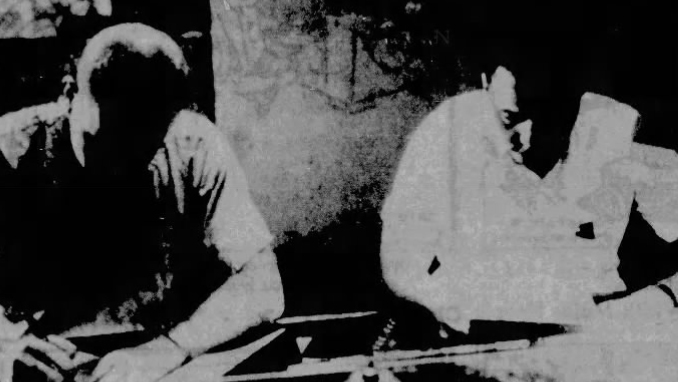
By the late 1950s into the 1960s, the hospital established an extern program with the University of Louisville. The program started with two senior medical student at UofL, Grady Dickinson and Frank Catron. The job of the externs was to keep the doctor’s records up to date, handle emergency room service, and anything that comes up at night. They were either on floor duty or 24-hour on-call. By 1959 there were 21 local doctors on staff at the hospital, maintaining independent offices and visiting hospitalized patients. There were a total of 90 employees during this period, with more than half working with the nursing service department. There were 12 registered nurses, licensed practical nurses, and nurses’ aides. There were 12 separate departments within the hospital;
Business Office
Stores (central supply)
Laundry
Maintenance
Housekeeping
Pharmacy
Dietary
Medical Records
Surgery
Delivery
Laboratory
X-ray
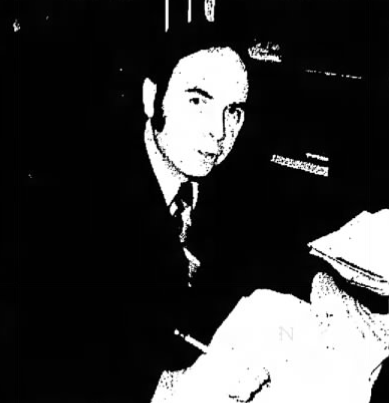
Dr. Grady Dickenson, left, and Dr. Frank Catron, right, work up medical histories of patients at the Southeastern Kentucky Baptist Hospital.
The surgery department operated its own central supply. The Pharmacy housed 1,500 different medications valued at approximately $12,000. Staff received specialized training dependent upon which department they worked in. Dieticians were trained to give patients three meals a day that were tailored to his or her needs. The Hospital operated in the black (with no deficits) with an annual operating cost of about $500,000. At the time, about 90% of the hospital’s income was paid by patients; the remaining 10% was received from donations. Charitable donations went into a fund to help 10-15% of patients meet expenses incurred during a hospital stay.
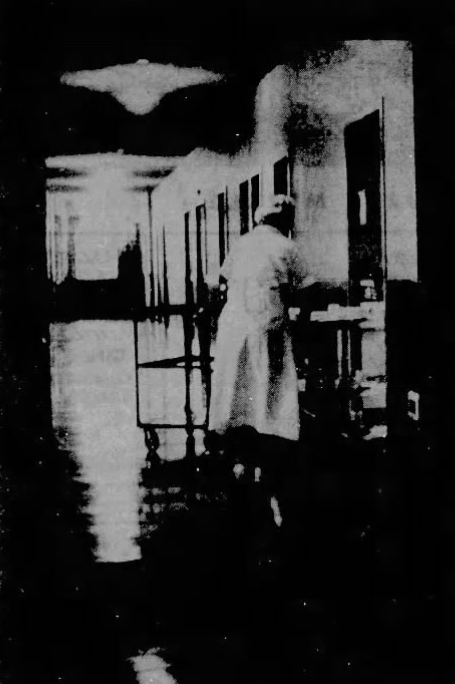
Hospital employee bringing food to patients.
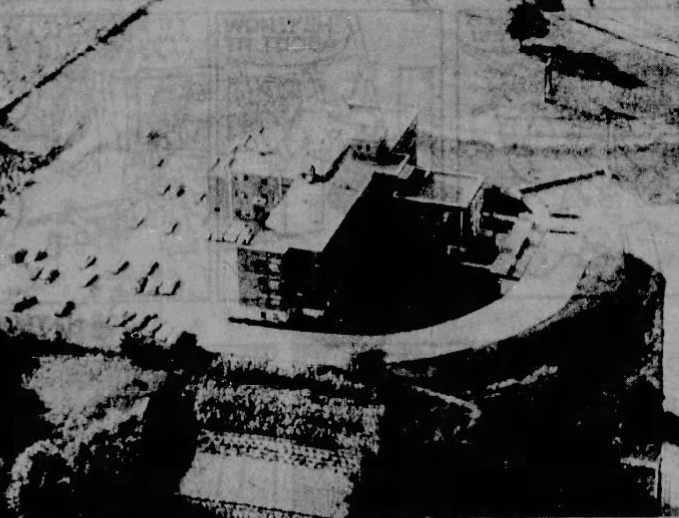
In 1963, expansion of the hospital was completed in a project valued at $419,000 with the addition of a new wing. 21 additional beds were added, a new nurse visual call system for patients, complete air conditioning, piped vacuum and oxygen systems, a new hydraulic elevator and a new dial telephone system were added. A new auxiliary power system was added along with a new grounding alarm system for the operating and delivery rooms, a new modern recovery room, equipped stretchers, new laboratory, and a new nursery with life-saving isolette. The existing doctor’s lounge and records library were redecorated, a new chapel and chaplain’s office were added, a new book-keeping machine and system were implemented, a new ironer extractor and lighting in the laundry facilities, new hot water system, water softener, new dining room, new patient ramp and stock room, new locker rooms for employees, a new admissions office, new drug room, two new patient waiting rooms, two new nursing stations, and an additional doctor’s lounge. Also in 1963, the Kentucky Heart Association approved the purchase of a cardiac defibrillator for use in surgery at the hospital. In the fall of 1977, the hospital got its first computer system, a Honeywell Level 62 at a cost of $105,000. This was used to perform patient accounting and administrative functions with the ability to add more applications as time progressed.
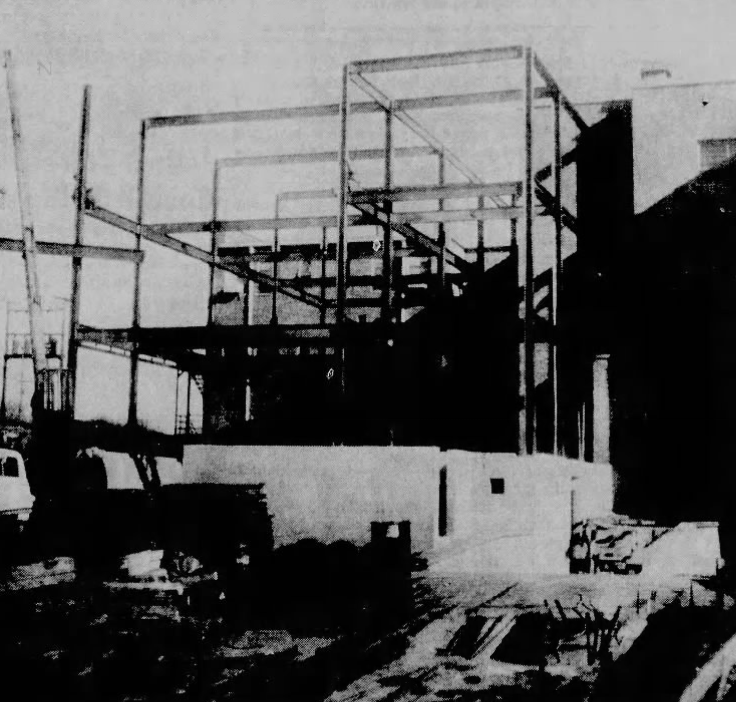
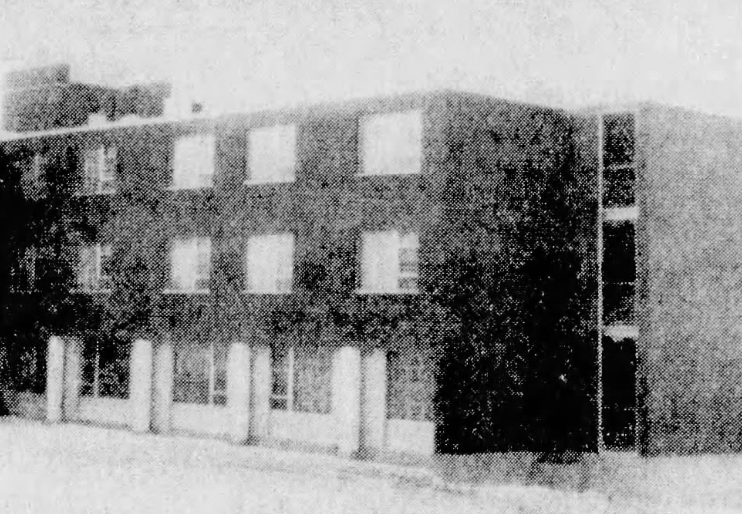
Construction of new wing in 1962Completed new wing in 1963
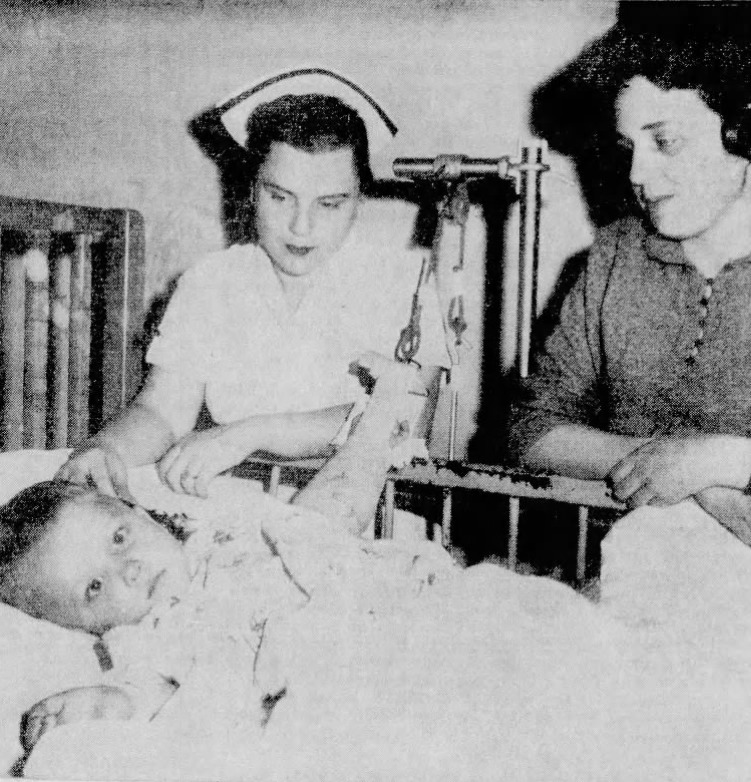
Pictured is young Steven, his mother, and nurse Mrs. Don Rollins. From the Corbin Sunday Times, 31 March 1963
In March of 1963, three-year-old Steven McQueen, son of Mr. and Mrs. Billy McQueen, of Bond, Jackson County, was playing about during the warm day when he suddenly dashed away from the view of his parents onto the street. An oncoming car struck young Steven on his left side and pitched him across the road. An ambulance was summoned and he was quickly transported to Marymount Hospital in London where he was transferred again to Southeastern Kentucky Baptist Hospital in Corbin. Doctors revealed that the young boys left arm was “virtually torn off between the elbow and shoulder.” Bones, tissues, and skin were completely severed with only a small piece of muscle “and a mother’s anxious hands” holding the limb together.
The Corbin surgeon, who wished to remain anonymous, made quick preparation for the extremely rare operation, suturing a dismembered limb. Interestingly, the surgeon saw a similar case with a four-year-old boy the previous year who lost an arm due to a lawnmower, but the parents failed to bring in the severed arm and thus was unable to reattach it.
Young Steven’s surgery lasted a long four hours; the surgeon noted that 1.5 inches of bone were missing, “in addition to the thousand other things that were a drawback to an operation of this kind.” The bone was to be repaired at a later date. So many sutures were used that the surgeon lost estimate of how many were tied in during the four hours. After several days, the surgeon believed the procedure to be a success, though not without a long road to recovery. The majority of the time was spent repairing muscle and nerve tissue and molding the shattered arm bones. According to doctors, “this was the first successful operation of this kind in Kentucky, if not in the South.” Nurses and staff referred to Steven as the “sweetheart of the third floor.”
From the Corbin Sunday Times, Corbin, Kentucky 2 August 1970
With the addition of psychiatric services, psychiatrist Dr. William Briscoe joined the medical staff at the hospital. He was also a staff psychiatrist for the Cumberland River Mental Health-Mental Retardation Board, Inc. (Cumberland River Behavioral Health today). Dr. Briscoe remains an iconic presence throughout many changes that the hospital experienced. In 1984 when the hospital moved to its new, and current, location, the establishment of the Trillium Center and Briscoe Clinic was named in his honor and dedication to the community.
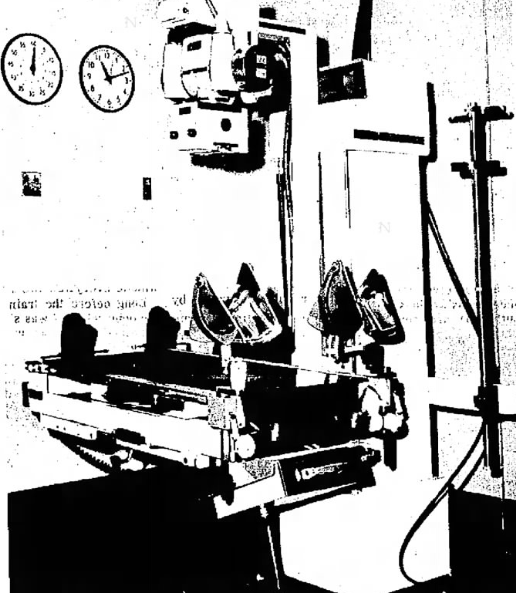
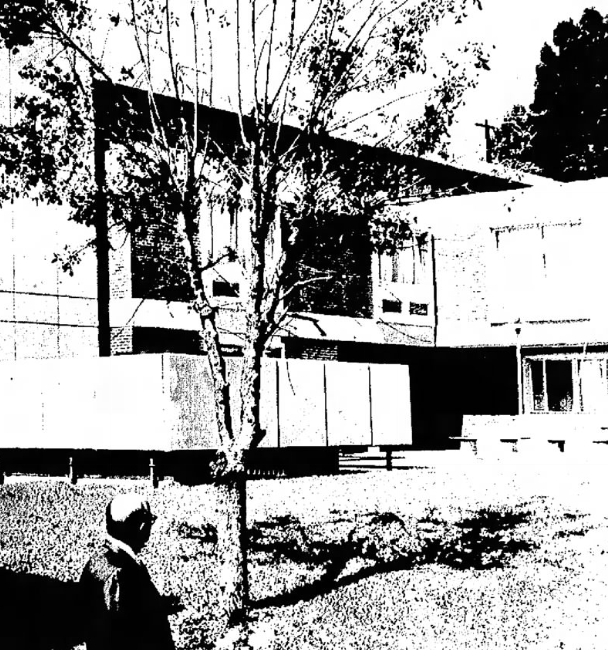
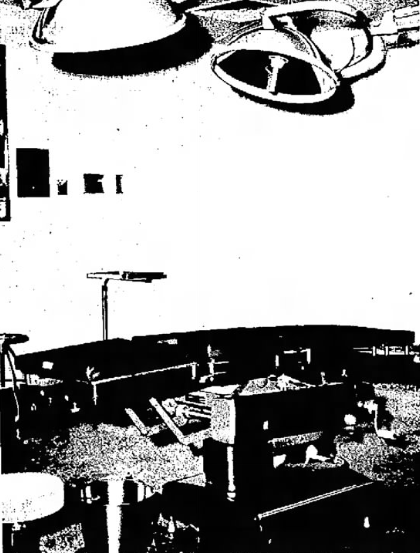
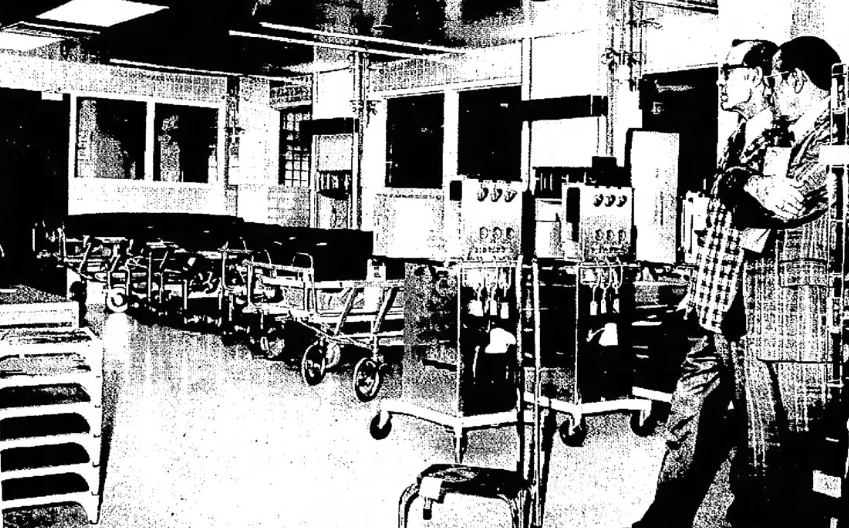
In 1974 a new addition to the hospital increased capacity to 139 beds. On the first floor of the north wing of the hospital was a 16-bed psychiatric unit providing acute inpatient care for patient psychiatric needs. The second floor housed a 35-bed nursing unit. The third floor housed a new operating room suite. It consisted of four operating rooms and a special room equipped with radiographic equipment for urological studies as the hospital added a urologist on staff. Additionally, a new laboratory and new emergency room were added to provide more care to patients.
X-ray RoomExterior of New WingSurgical SuiteRecovery Room
A Brief Glimpse into the Past and Future
The Past
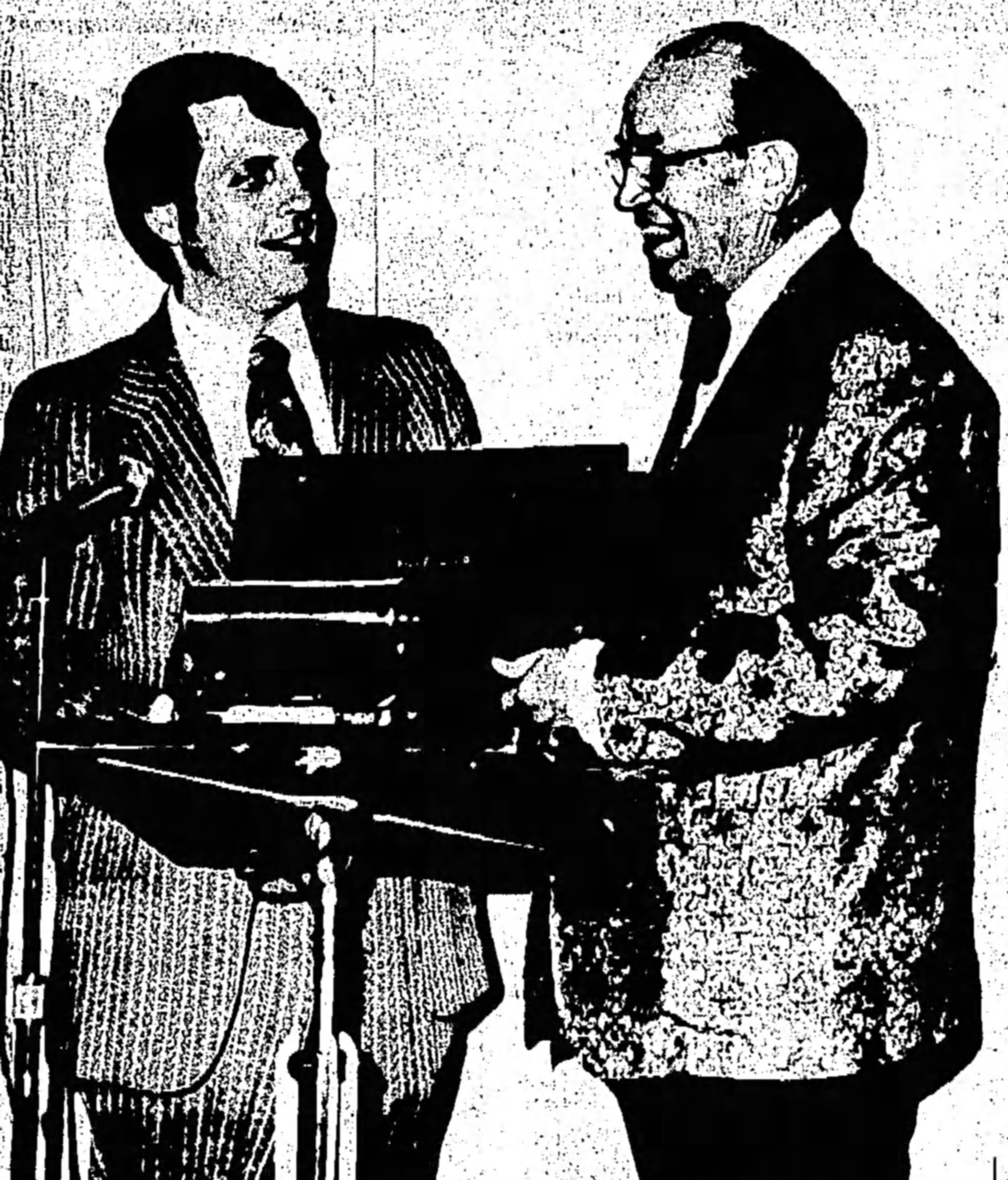
Dr. Keith Smith receiving the Distinguished Citizen’s Award by the City of Corbin in 1976
On February 3, 1927, the Corbin General Hospital became operational at the helm of Dr. A. C. Foster and Dr. P. J. Keith located on 111 First Street in Corbin in the Wilder building. It contained ten modernly and fully equipped rooms for patients, in addition to an operating room, sterilizer, and many other medical amenities. Both Dr. Foster and Dr. Keith practiced in Corbin for a number of years in the Whitley National Bank Building in Corbin. Mrs. Hardigree was in charge of nursing at the new hospital and had experience privately and at hospitals including the Pennington Infirmary and Hospital in nearby London. Dr. F. S. Smith, co-worker at the hospital, later took over operations when it moved to Center Street and became the Smith Hospital. Dr. Smith was a 1905 graduate of the Hospital College of Medicine in Louisville and did postgraduate study in surgery in New Orleans and Chicago. The elder Dr. Smith worked with both of his sons, Dr. Keith Smith and Dr. Truman Smith at the Smith Hospital until his retirement when his son, Dr. Keith Smith, took over operations of the hospital. Shortly thereafter, the Southeastern Kentucky Baptist Hospital opened in its new location where Dr. Keith Smith became its chief of medical staff.
The Future
As the years and decades passed, additional expansions and improvements were made at the hospital. Into the late 1970s and 1980s, talk began of needing a new facility to replace the existing one. Proponents in Corbin favored a regional hospital whereas residents in London wanted funding given to Marymount Hospital for expansion of their facility. Despite lengthy legal and political battles, approval was given to build Baptist Regional Medical Center at its new location in Corbin. This campus is still operating today as Baptist Health Corbin and is undergoing regular expansions to meet and provide care.
To view photographs of the Southeastern Kentucky Baptist Hospital/Corbin Municipal Hospital before demolition of the original campus, AbandonedOnline has agreed to allows us to link to their website. You can visit them at:
The Corbin Times-Tribune, Corbin, Kentucky, 21 January 1927
The Corbin Times-Tribune, Corbin, Kentucky, 4 March 1927
The Advocate-Messenger, Danville, Kentucky, 10 April 1951
The Courier-Journal, Louisville, Kentucky, 15 August 1952
The Corbin Sunday Times, Corbin, Kentucky, 12 July 1959
The Corbin Sunday Times, Corbin, Kentucky, 2 December 1962
The Corbin Sunday Times, Corbin, Kentucky, 10 February 1963
The Corbin Sunday Times, Corbin, Kentucky, 29 December 1963
The Corbin Times-Tribune, Corbin, Kentucky, 12 October 1974
The Corbin Times-Tribune, Corbin, Kentucky, 27 October 1977
Important note: If you would like to use any information on this website (including text, bios, photos and any other information) we encourage you to contact us. We do not own all of the materials on this website/blog. Many of these materials are courtesy of other sources and the original copyright holders retain all applicable rights under the law. Please remember that information contained on this site, authored/owned by KHI, is provided under a Creative Commons Attribution-NonCommercial-NoDerivatives 4.0 International License.
Photographs, text, illustrations and all other media not authored by KHI belong to their respective authors/owners/copyright holders and are used here for educational purposes only under Title 17 U.S. Code § 107.


 Kentucky Historic Institutions